Quick answer: Avoid entering or handling affected areas when safety is uncertain. An enquiry should identify the source, spread, occupants, contents and access so cleaning, disposal and escalation boundaries can be discussed carefully.
XPERT CLEANING · urgent-triage
Sewage and contaminated-water clean-up Auckland
Avoid entering or handling affected areas when safety is uncertain. An enquiry should identify the source, spread, occupants, contents and access so cleaning, disposal and escalation boundaries can be discussed carefully.
Plan the next step
A BETTER-STRUCTURED ANSWER
Useful guidance, presented in the order decisions are made
Suitable when: set cautious boundaries around source, isolation, contents, materials and disposal.
Plan before arrival: access, protection, preparation and handover.
Sewage and contaminated-water clean-up in Auckland is most useful when set cautious boundaries around source, isolation, contents, materials and disposal. Start by describing the property, the affected material, what has already been attempted and what must remain protected. That information helps separate an initial conversation from a confirmed scope.
For sewage and contaminated-water clean-up in auckland, preparation means considering set cautious boundaries around source, isolation, contents, materials and disposal, plus access, furniture or contents, nearby finishes, ventilation and any people who should avoid the area. A photograph can support triage, but it cannot establish every material, hidden condition or limitation.
The sewage and contaminated-water clean-up in auckland pathway moves from a clear brief to inspection, an agreed scope, route-specific preparation, the appropriate work and a review of limitations. Cleaning, drying, disposal, repair and insurance decisions are not interchangeable.
Aftercare for sewage and contaminated-water clean-up in auckland depends on the route: allow sensible drying or curing, follow surface-specific care notes, retain photographs and scope records, and ask what should happen if a concealed issue appears. Results are limited by existing damage, access and the condition found.
XPERT CLEANING · contamination zone safety
Sewage and contaminated water cleanup Auckland
What to record
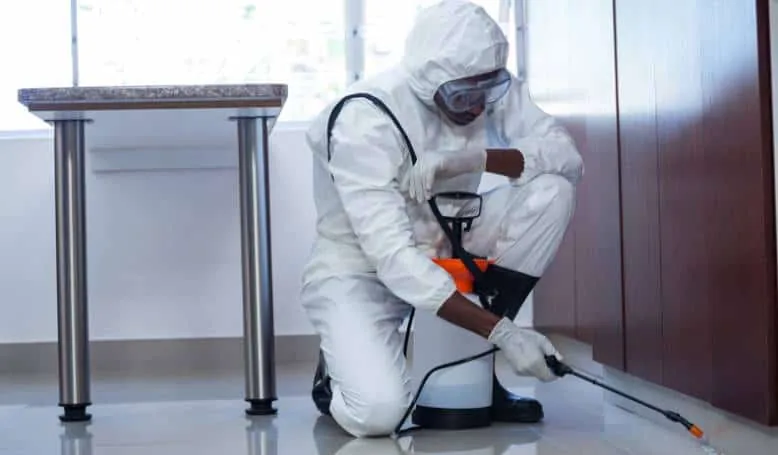
- Keep people and pets out
- Do not spread contamination between zones
- Ask for specialist guidance when source is uncertain
Typical decision timeline
- Stop: isolate the affected zone
- Assess: identify contamination class
- Clean: controlled handling and documentation
Quick answer: Avoid entering or handling affected areas when safety is uncertain. An enquiry should identify the source, spread, occupants, contents and access so cleaning, disposal and escalation boundaries can be discussed carefully.
Avoid entering or handling affected areas when safety is uncertain. An enquiry should identify the source, spread, occupants, contents and access so cleaning, disposal and escalation boundaries can be discussed carefully.
Suitable when: set cautious boundaries around source, isolation, contents, materials and disposal.
Sewage and contaminated-water clean-up in Auckland is most useful when set cautious boundaries around source, isolation, contents, materials and disposal. Start by describing the property, the affected material, what has already been attempted and what must remain protected. That information helps separate an initial conversation from a confirmed scope.
Plan before arrival: access, protection, preparation and handover.
For sewage and contaminated-water clean-up in auckland, preparation means considering set cautious boundaries around source, isolation, contents, materials and disposal, plus access, furniture or contents, nearby finishes, ventilation and any people who should avoid the area. A photograph can support triage, but it cannot establish every material, hidden condition or limitation.
CLEAR ANSWERS
Frequently asked questions
What should occupants avoid?
Start with the property type, timing and access, then explain the main decision: Avoid entering or handling affected areas when safety is uncertain. An enquiry should identify the source, spread, occupants, contents and access so cleaning, disposal and escalation boundaries can be discussed carefully.. Add the existing condition, affected materials and anything already attempted.
How is the affected boundary described?
The key variables are set cautious boundaries around source, isolation, contents, materials and disposal. They can change the safe method, sequence, access requirements and realistic finish, so a single method should not be assumed.
Can every content item be cleaned?
That decision depends on set cautious boundaries around source, isolation, contents, materials and disposal. Avoid entering or handling affected areas when safety is uncertain. An enquiry should identify the source, spread, occupants, contents and access so cleaning, disposal and escalation boundaries can be discussed carefully. A review is needed before choosing cleaning, drying, repair, disposal or replacement.
What information helps an enquiry?
Start with the property type, timing and access, then explain the main decision: Avoid entering or handling affected areas when safety is uncertain. An enquiry should identify the source, spread, occupants, contents and access so cleaning, disposal and escalation boundaries can be discussed carefully.. Add the existing condition, affected materials and anything already attempted.
RELATED SUPPORT
Continue with a related Xpert resource
Use the neighbouring page to compare scope, preparation and next-step questions. /contact-us/ →