Quick answer: Curtains combine visible fabric with construction details that can change the process. Labels, sunlight fading, brittle components and re-hanging access deserve attention before a scope is confirmed.
XPERT CLEANING · fabric-care
Curtain Cleaning Auckland
Curtains combine visible fabric with construction details that can change the process. Labels, sunlight fading, brittle components and re-hanging access deserve attention before a scope is confirmed.
Plan the next step
A BETTER-STRUCTURED ANSWER
Useful guidance, presented in the order decisions are made
Suitable when: check fabric, lining, heading, shrinkage risk and whether removal is practical.
Plan before arrival: access, protection, preparation and handover.
Curtain cleaning in Auckland is most useful when check fabric, lining, heading, shrinkage risk and whether removal is practical. Start by describing the property, the affected material, what has already been attempted and what must remain protected. That information helps separate an initial conversation from a confirmed scope.
For curtain cleaning in auckland, preparation means considering check fabric, lining, heading, shrinkage risk and whether removal is practical, plus access, furniture or contents, nearby finishes, ventilation and any people who should avoid the area. A photograph can support triage, but it cannot establish every material, hidden condition or limitation.
The curtain cleaning in auckland pathway moves from a clear brief to inspection, an agreed scope, route-specific preparation, the appropriate work and a review of limitations. Cleaning, drying, disposal, repair and insurance decisions are not interchangeable.
Aftercare for curtain cleaning in auckland depends on the route: allow sensible drying or curing, follow surface-specific care notes, retain photographs and scope records, and ask what should happen if a concealed issue appears. Results are limited by existing damage, access and the condition found.
Clear scope · material-aware method · practical aftercare

Match the care to the surface
Car interior
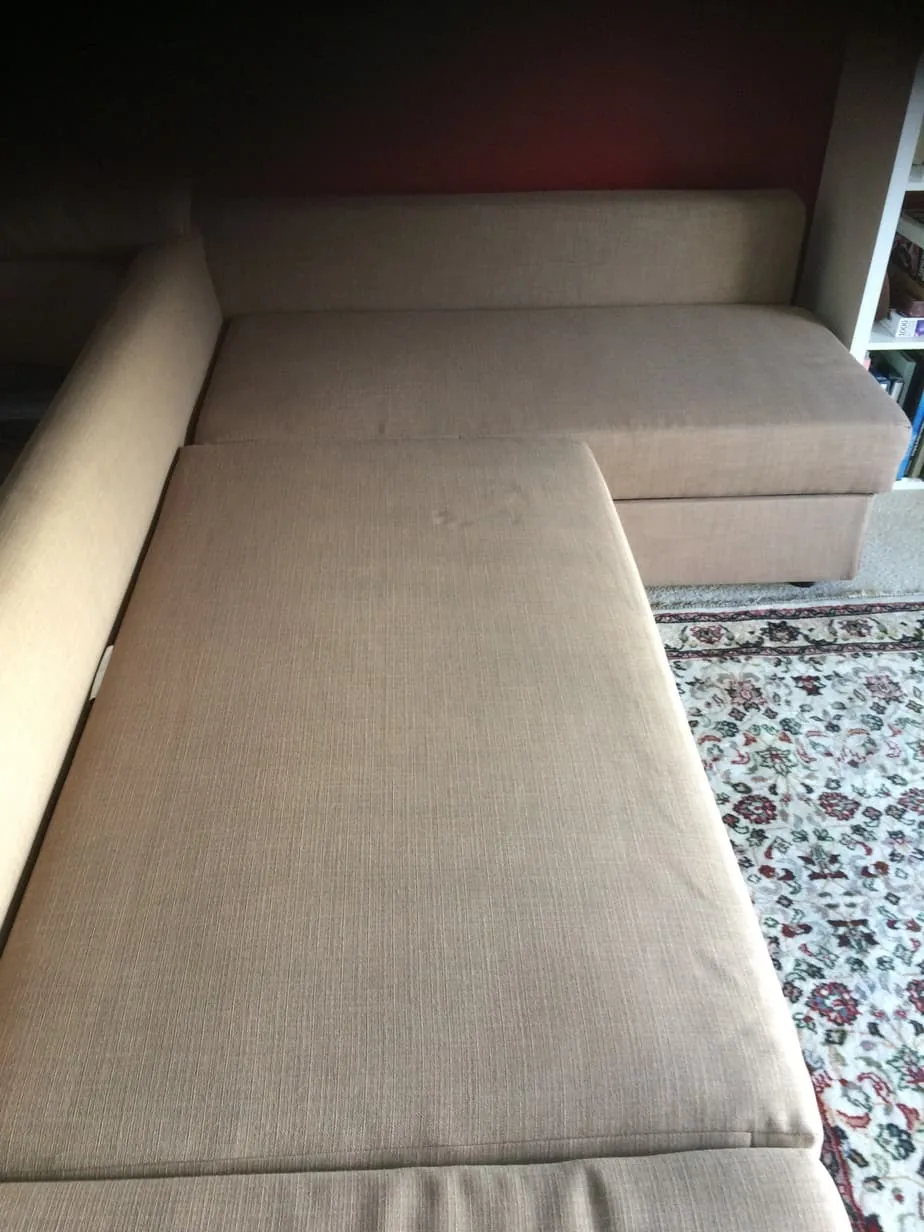
Upholstery
Curtains or blinds
House wash
Windows
Chandelier and lighting
We keep claims specific: the method and result depend on the material, condition and access.
Prepare for a smoother visit
- Share fabric, finish or manufacturer details
- Clear access around the item
- Point out existing damage before work starts
How the visit works
- Identify material and sensitive areas
- Protect adjacent finishes and test as needed
- Complete the clean and leave care guidance
Useful context before booking
We keep claims specific: the method and result depend on the material, condition and access.
AT A GLANCE
Quick answer: Curtains combine visible fabric with construction details that can change the process. Labels, sunlight fading, brittle components and re-hanging access deserve attention before a scope is confirmed.
Curtains combine visible fabric with construction details that can change the process. Labels, sunlight fading, brittle components and re-hanging access deserve attention before a scope is confirmed.
Suitable when: check fabric, lining, heading, shrinkage risk and whether removal is practical.
Curtain cleaning in Auckland is most useful when check fabric, lining, heading, shrinkage risk and whether removal is practical. Start by describing the property, the affected material, what has already been attempted and what must remain protected. That information helps separate an initial conversation from a confirmed scope.
Plan before arrival: access, protection, preparation and handover.
For curtain cleaning in auckland, preparation means considering check fabric, lining, heading, shrinkage risk and whether removal is practical, plus access, furniture or contents, nearby finishes, ventilation and any people who should avoid the area. A photograph can support triage, but it cannot establish every material, hidden condition or limitation.
HOW IT WORKS
A considered route from question to next step
1
Clarify the property, surface and priority
We listen for the details that change the recommendation.
2
Prepare the area and confirm safe access
The team explains preparation and any access constraints.
3
Complete the agreed cleaning or restoration work
Work follows the confirmed scope, with sensible caveats.
4
Review the result, care notes and next steps
You can ask questions and understand ongoing care.
DECISION GUIDE
What can change the recommendation?
- Material, construction and existing condition
- Water source, contamination or residue
- Access, contents, timing and ventilation
- Desired finish and ongoing maintenance
CLEAR ANSWERS
Frequently asked questions
How are curtains assessed?
The key variables are check fabric, lining, heading, shrinkage risk and whether removal is practical. They can change the safe method, sequence, access requirements and realistic finish, so a single method should not be assumed.
Can all curtains be cleaned on site?
The scope changes with check fabric, lining, heading, shrinkage risk and whether removal is practical. Ask which parts are included, excluded or need a separate specialist decision before access or preparation is arranged.
What causes shrinkage risk?
Before work, document condition and access, protect nearby items and clarify check fabric, lining, heading, shrinkage risk and whether removal is practical. Keep any manufacturer labels or previous-treatment details available for review.
What preparation is needed?
Clear safe access, remove small valuables and identify fragile or pre-damaged areas. Preparation should reflect check fabric, lining, heading, shrinkage risk and whether removal is practical; do not move or handle anything that may be unsafe.
RELATED SUPPORT
Continue with a related Xpert resource
Use the neighbouring page to compare scope, preparation and next-step questions. /contact-us/ →